Ski Resort Empire Devlog
Ski Resort Empire is an idle tycoon game about turning one small beginner slope into an international ski resort group. I build it alone, in my spare time, in Austria. This devlog follows the development from the first prototype to the current version: what I tried, what I threw away and why the game works the way it does.
29 entries · 19k words · newest first
Featured articles
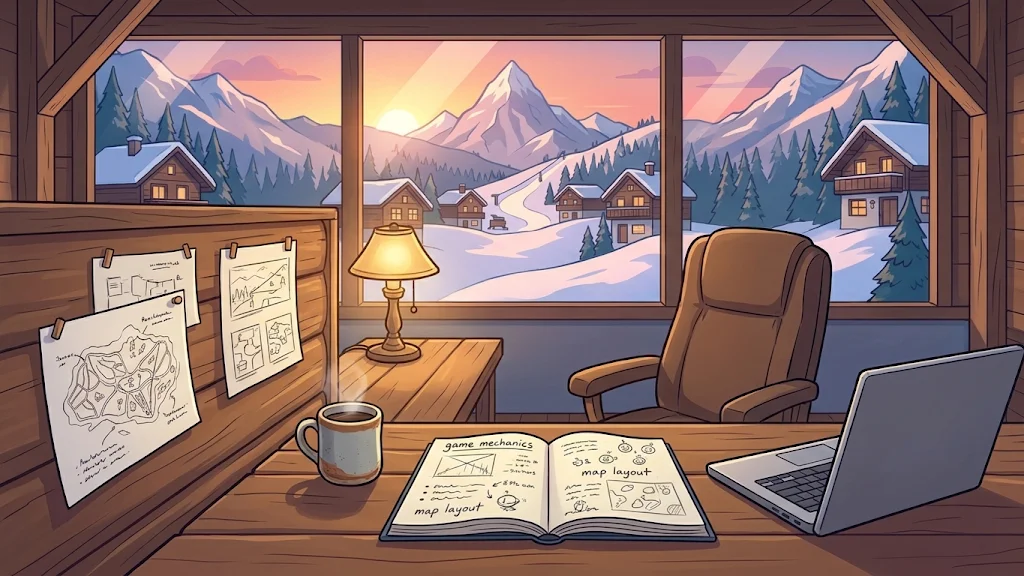
Building a Game with an AI Team of One
How an experienced software architect ended up building an indie game with the help of modern AI tools.
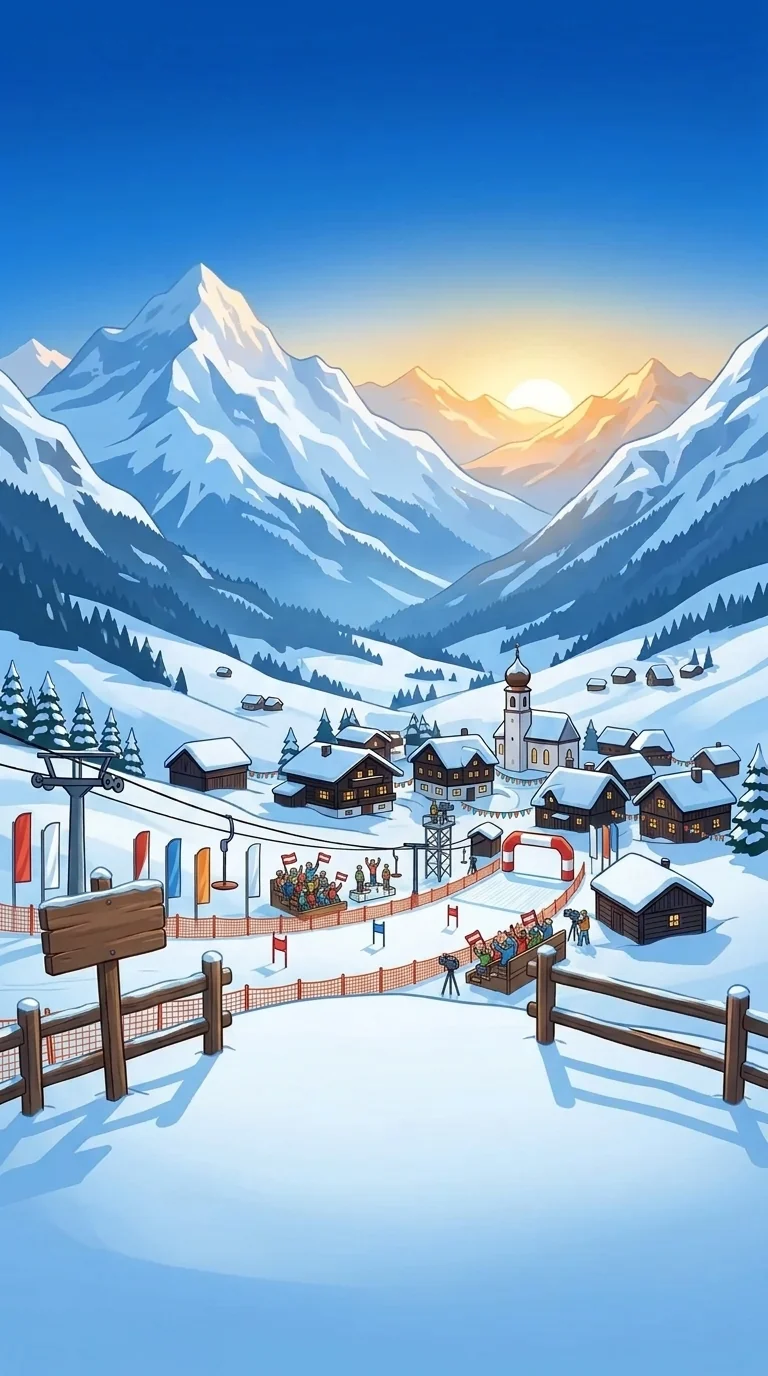
The World Cup: A Project, Not Another Region
Special projects add goals that are not just "more of the same". The first is hosting a ski World Cup race. Also: why the staff menu was removed, guests in every icon, and the long fight with a T-bar lift.
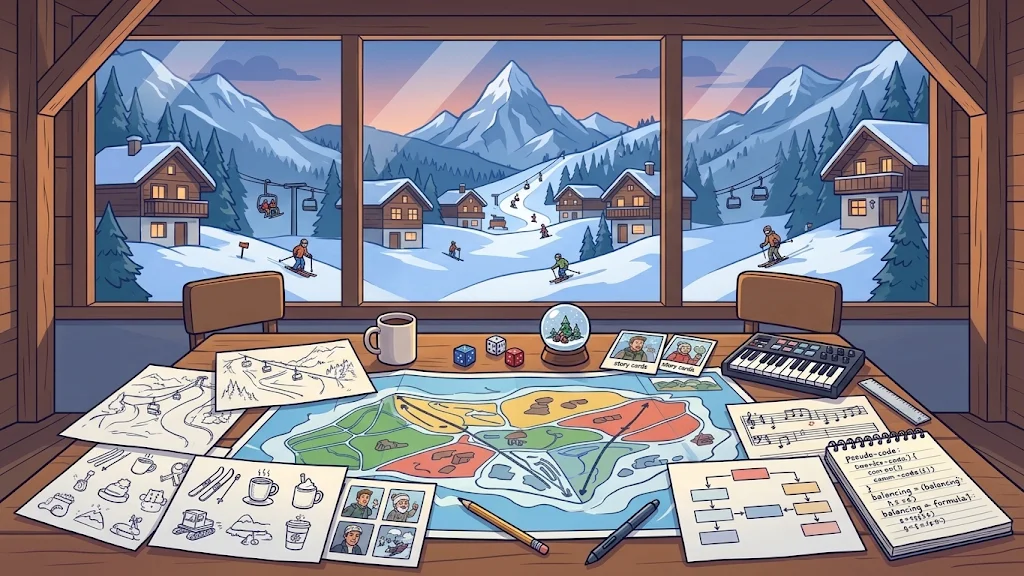
The AI Stack Behind Ski Resort Empire
How one developer used multiple AI tools to build a game in just a few months.
All entries
The Goal That Never Mattered
Every expansion asks for a production rate and a number of one business. The simulation now reports which of the two actually held the player back, and the answer was sobering: the second goal never did, in any phase. Here is how odd-looking numbers like 62 and 68 fixed it.
The AI Stack Behind Ski Resort Empire
How one developer used multiple AI tools to build a game in just a few months.
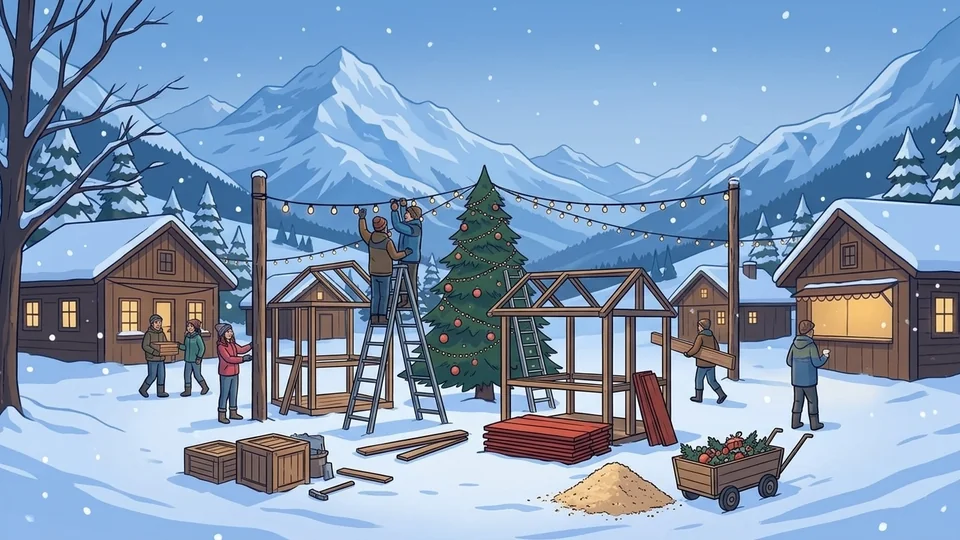
Rebalancing Major Construction Projects
Special projects now have long builds that are worth waiting for, with a single speed-up per build. And a lesson from the very first construction – the crystal discovery must come before anything that skips the wait.
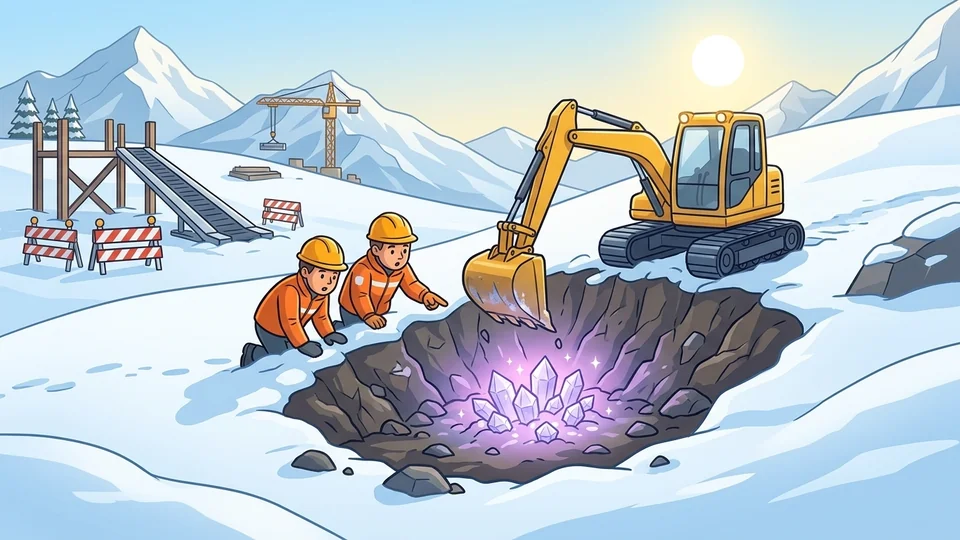
Improving the First Minutes of Gameplay
The first region got more generous, crystals now enter the game through a small story moment during the first construction, and every dialog after the tutorial was put on a timeline so nothing arrives at once.
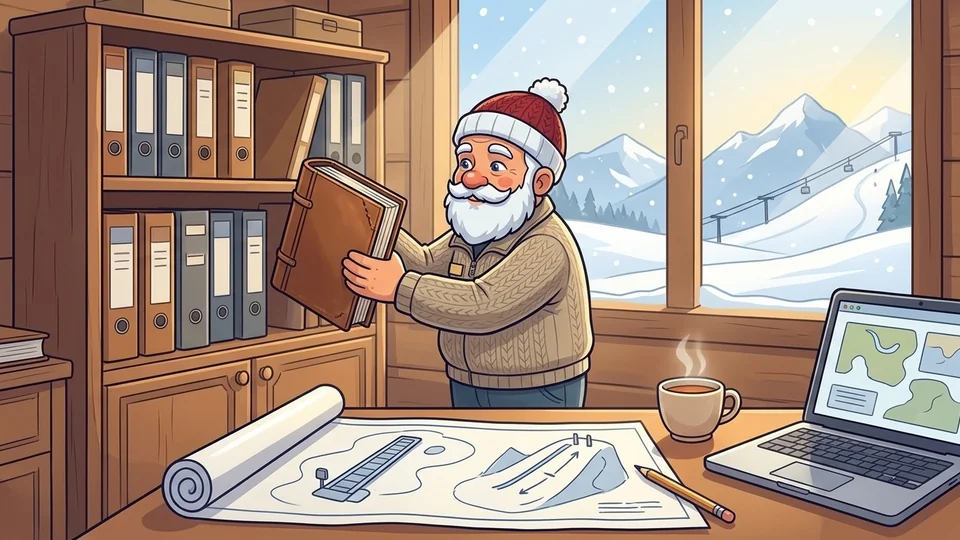
Cloud Sync and Analytics Reimagined
Two technical questions – "do you want to save in the cloud?" and "may we collect usage data?" – became story moments that arrive at calm points in the game, with honest wording and no rewards for saying yes.
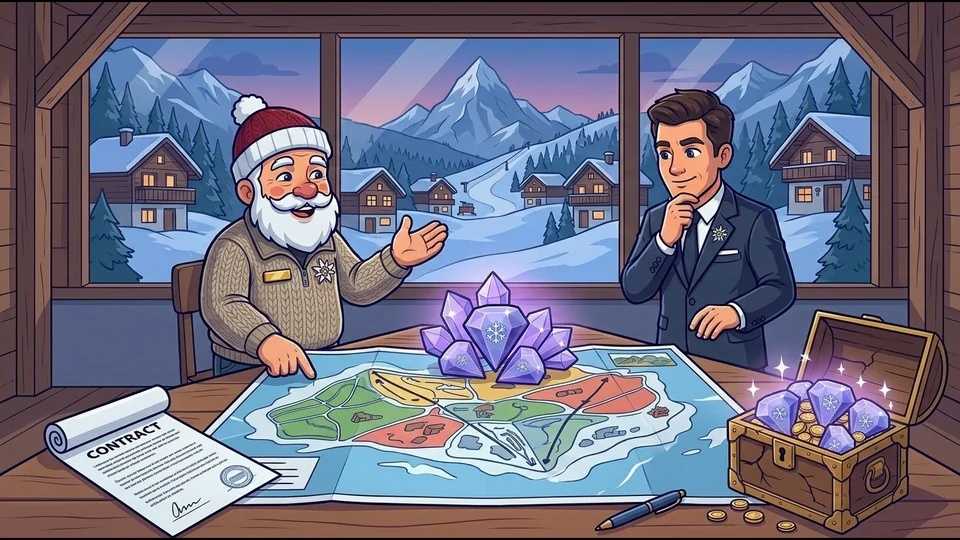
New Ways to Spend Crystals
Snow crystals needed more meaningful uses. Story-driven investments arrive as chances at the right moment, every finished region now ends with its own story card, and the crystal introduction was rebuilt in the same style.
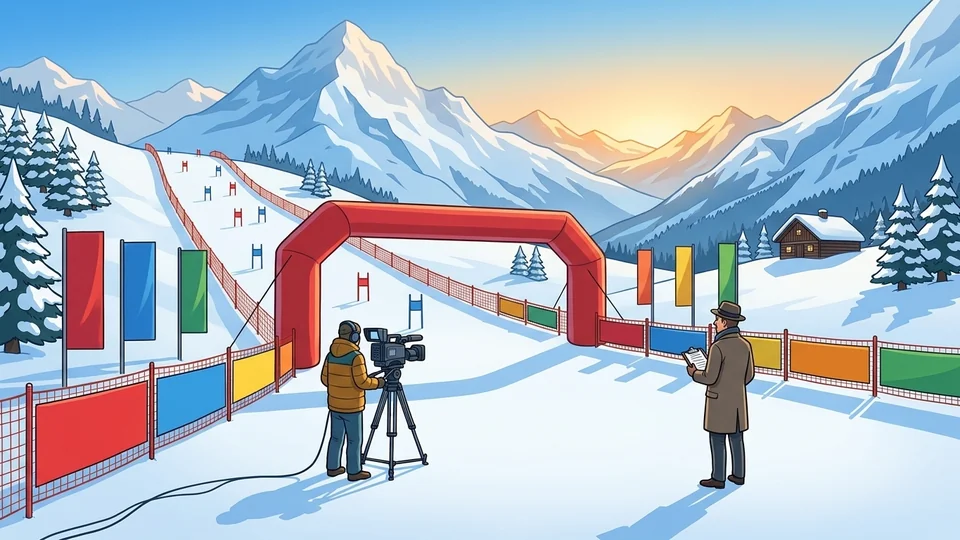
Building Excitement for the World Cup
The World Cup used to appear out of nowhere, hours into the game. Now the trophy shows up much earlier and the goal is teased while it is still out of reach. The same day brought bonus events with painted stories, a boost for projects and crystals for watching the offline video.
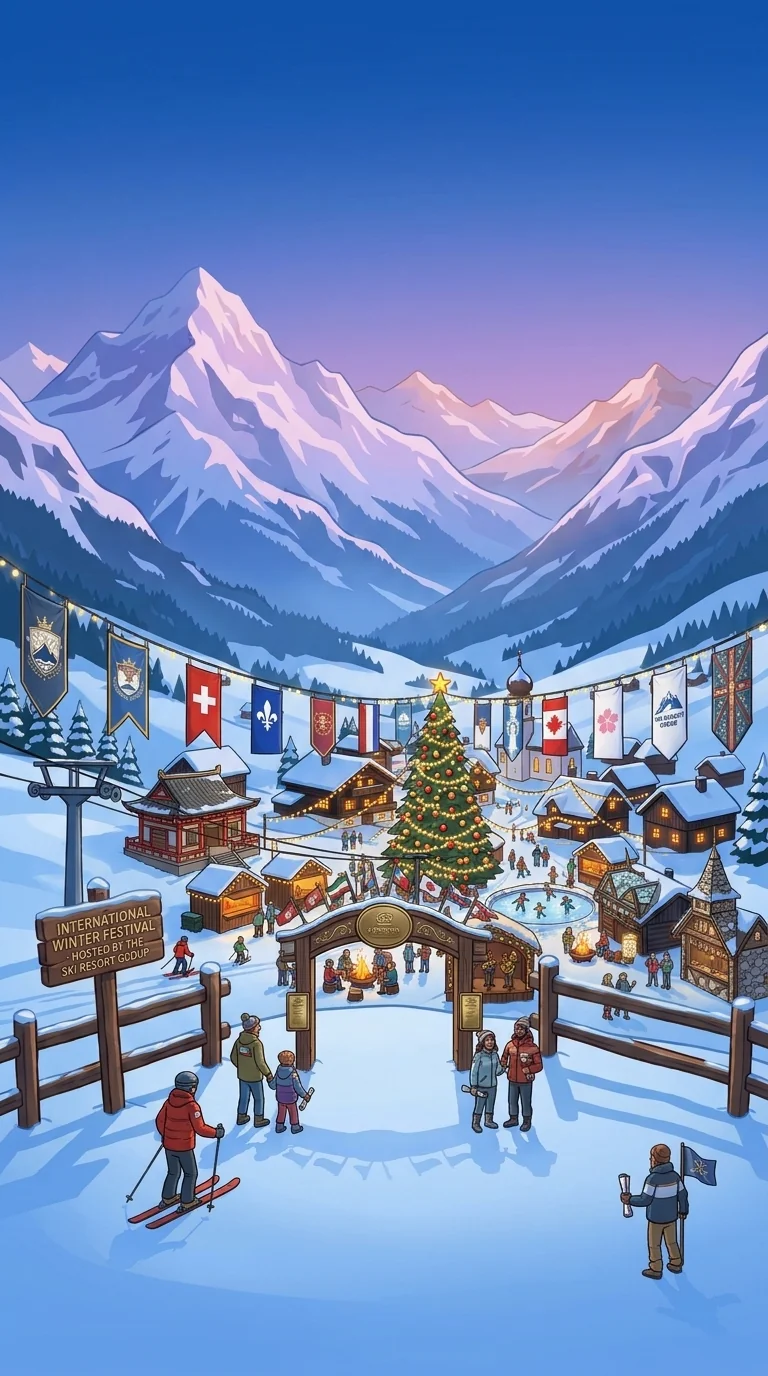
Winterfest and Visual Themes
The second special project is a winter festival with mulled wine, a Christmas market and a chain of fairy lights. It also introduced visual themes – designs players can unlock with crystals that change the look of the whole game.
How Far Do Players Get?
A small script that answers the most important question for an idle game – where do players stop? Plus what an AdSense review taught me about forgotten subdomains, and how the web version handles ads while waiting.
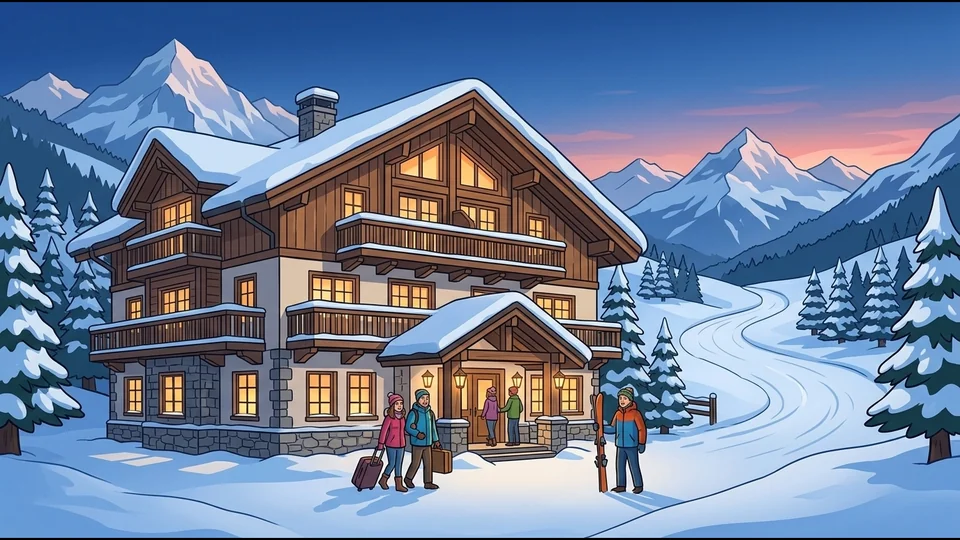
Asking for Feedback at the Right Moment
A one-time "Do you like the game?" question that only appears after a genuinely good moment, a different follow-up per platform, anonymous feedback without a login – and an itch.io demo that sells nothing at all.

Selling on the Web with Stripe
A supporter pack and crystal packs for the browser version, with Stripe checkout, a few small cloud functions and server-side entitlements. Also why a browser save can never be trusted, and a splash screen that waits until everything is ready.
Cloud Saves Without Nagging
Saves can now follow the player between phone and browser through a Google sign-in. The interesting part was not the storage but the rules – never lose progress silently, never pester players to log in.
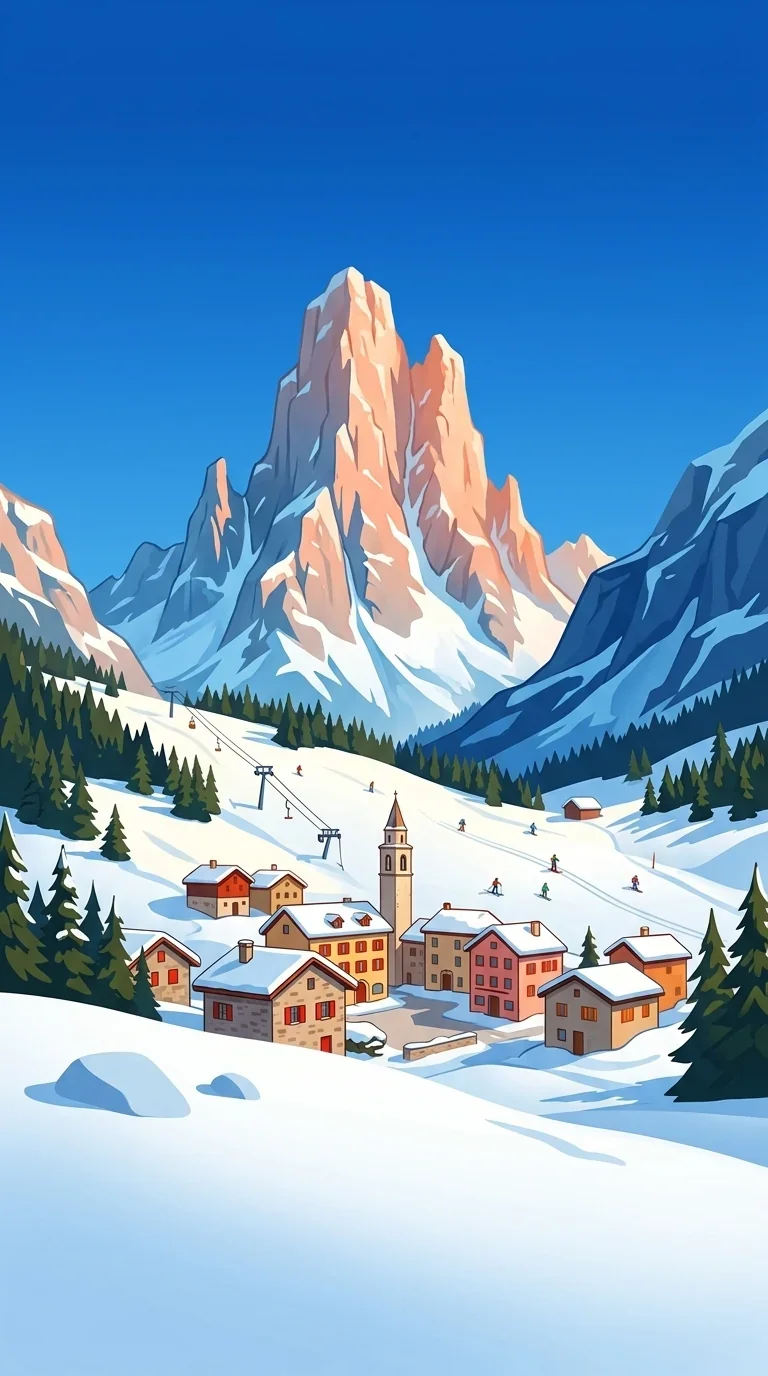
Going Multilingual – Italian and French
Two new languages, type-checked translation keys, a decision about "vous" and "tu", values that never break across lines, and a World Cup start screen painted as an edit of the very first scene.
The World Cup: A Project, Not Another Region
Special projects add goals that are not just "more of the same". The first is hosting a ski World Cup race. Also: why the staff menu was removed, guests in every icon, and the long fight with a T-bar lift.

Resort Ratings: Keeping Old Regions Relevant
Once a new region opens, the old ones used to become irrelevant. Resort rating stars give every finished region a reason to grow – and a full rebalance made later regions deliberately harder instead of accidentally easier.
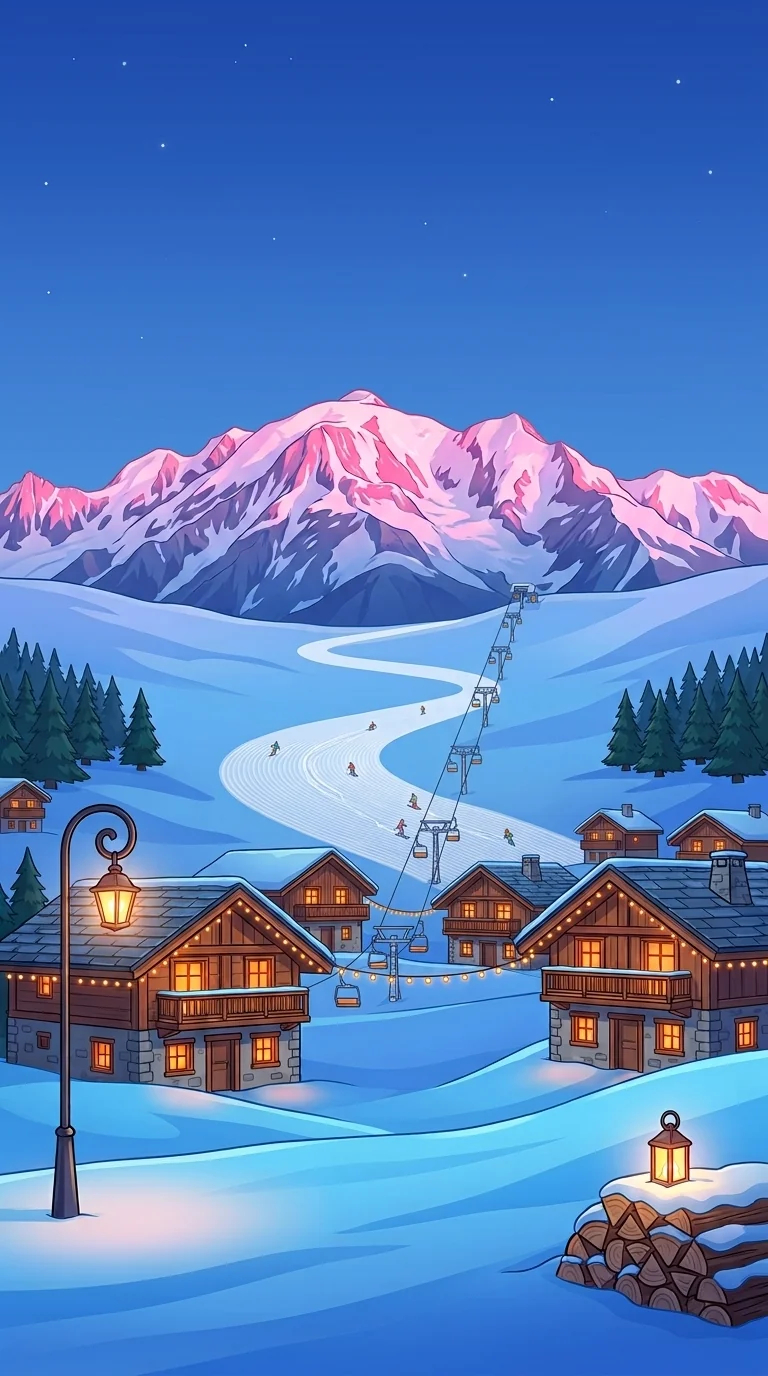
One Game, Two Platforms
The game went public in the browser to reach testers without an install. That raised questions about version numbers, analytics without cookies, a promo video rendered frame by frame – and a lesson about where browsers keep your save.

Offline Progress Done Right, and Icons That Move
Android does not close an app when you switch away – it freezes it. That broke offline earnings in a subtle way. Also: offline bonuses as percentages, small animations that bring the resort to life, and fair prices in every country.

Sound Design for a Cozy Idle Game
An idle game plays the same few sounds thousands of times. Notes on choosing cozy UI sounds, tuning payout pitches so they sound like a chord, muting the right things at the right time, and turning one hammer hit into a construction sound.
Getting Ready for the Play Store
A localised logo, realistic snowfall, store graphics rendered from the game itself, crystal packs named by size instead of amount, Google Play Billing, and buttons that grow instead of texts that shrink.

Giving the Staff Faces
Thirty-four painted staff portraits, a male and a female version for every profession, regional names and short quotes in four languages. Plus a new app icon and a rule about when not to show the crystal button.

Teaching the Core Loop in Two Lift Rides
The most important idea in an idle game is automation. The tutorial was rebuilt so the first lift attendant can be hired after exactly the second ride, staff replaced faceless managers, and the prestige system was rethought as reputation.

Balancing an Idle Game with a Simulation
You cannot balance six regions and days of play time by playing them yourself. A small Python bot now plays the whole game in seconds, and its results decide prices, goals and build times. Plus: coin stacks, slimmer cards and a design I threw away.
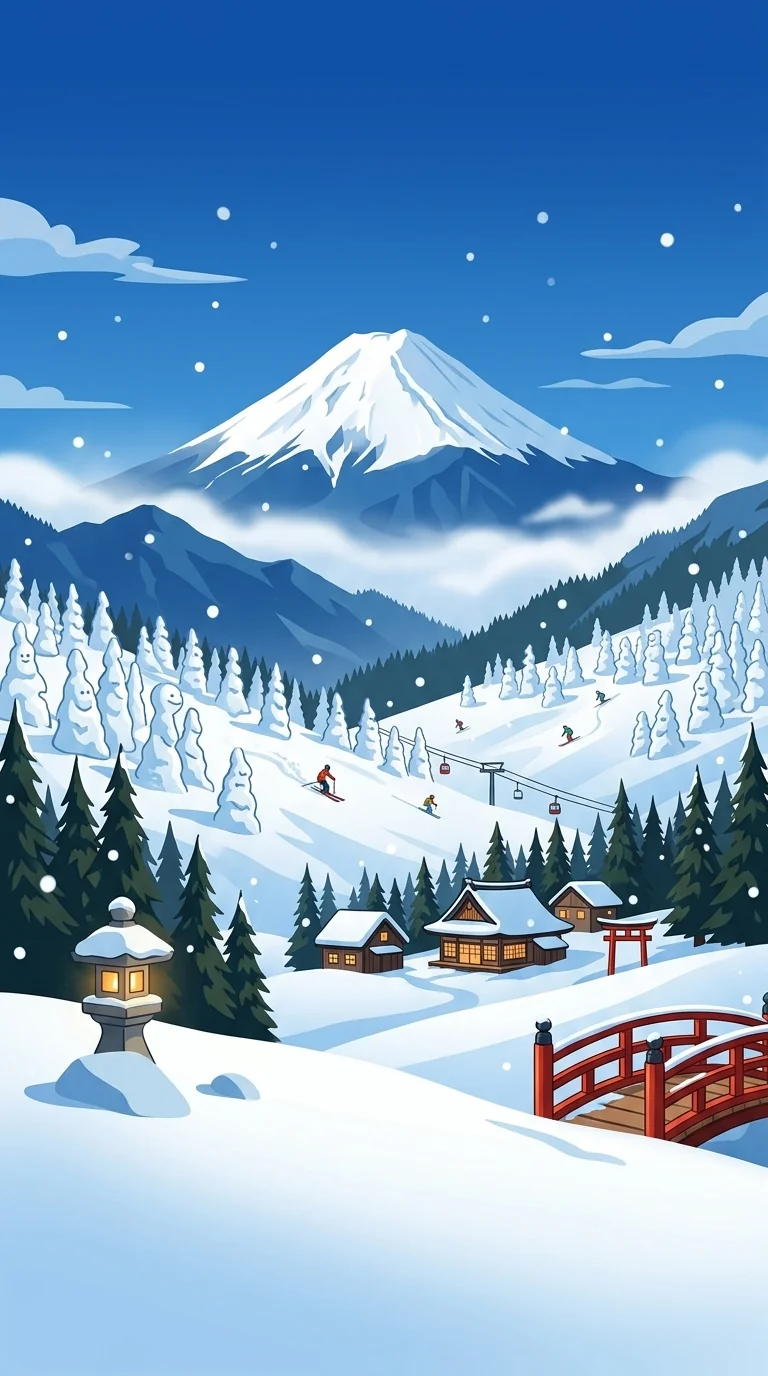
Region Scenes, and Why Unlocks Should Never Interrupt the Player
Each region got a painted panorama for its unlock screen. The bigger lesson was about timing – a celebration that pops up on its own interrupts play, so the screen now waits until the player decides to go and look.
Painting Forty Icons with an Image Model (and a Lot of Patience)
How every business icon in Ski Resort Empire was painted with Google's Gemini image model, why a magenta background and a shared style block matter, and the many ways an AI can misunderstand a ski lift.

Six Regions and a Lift Attendant Named Sepp
The game grew from one resort to six regions across the Alps, Canada and Japan, each with its own specialities in the last expansion phase. Region unlocks depend on production instead of money, and an old lift attendant named Sepp welcomes new players.
Phases: Letting a Resort Grow Instead of Scrolling a List
A list of thirteen businesses is a spreadsheet, not a ski resort. Expansion phases with goals, construction costs and build times turned the list into a resort that visibly grows from a beginner slope into an alpine destination.

Monetization Without Being Annoying
How Ski Resort Empire makes money without banners or forced ads – rewarded videos the player chooses, a rare second currency called snow crystals, and the boring but necessary work of consent and privacy.
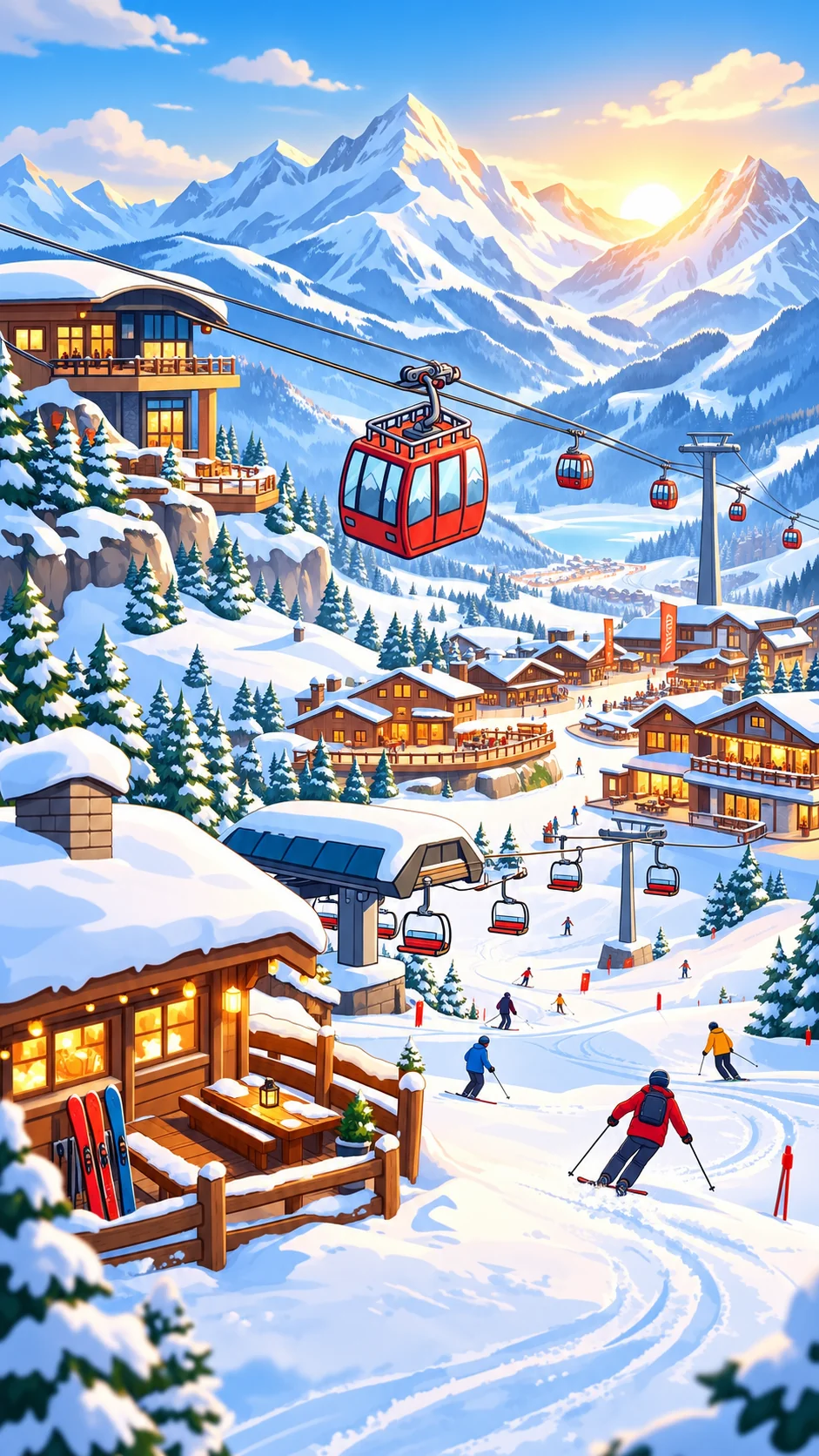
From a Chat Prototype to a Real Codebase
Ski Resort Empire started as a rough idle-game draft. Day one was about the foundations every idle game needs: a state store that survives sixty updates per second, numbers far beyond what JavaScript can hold, and game data that lives outside the code.
Building a Game with an AI Team of One
How an experienced software architect ended up building an indie game with the help of modern AI tools.